

The Global Mosquito Species Encyclopedia.
A taxonomic registry tracking structural identification, reproductive ecology, and pathogen competency profiles for over 3,500 species of the family *Culicidae*.
Aedes aegypti
Common Names: Yellow Fever Mosquito, Dengue Mosquito
Preferred Breeding: Artificial water containers, Flower pots
Vectors: dengue fever, zika fever, yellow fever, chikungunya
Active Months: May, June, July, August, September, October
Aedes albopictus
Common Names: Asian Tiger Mosquito, Forest Day Mosquito
Preferred Breeding: Tree holes, Bamboo stumps
Vectors: dengue fever, zika fever, chikungunya, west nile fever
Active Months: April, May, June, July, August, September, October
Anopheles gambiae
Common Names: African Malaria Mosquito, Malaria Vector
Preferred Breeding: Temporary rainwater puddles, Rice fields
Vectors: malaria, lymphatic filariasis
Active Months: November, December, January, February, March, April, May, June, July, August, September, October
Anopheles stephensi
Common Names: Urban Malaria Mosquito, Stephensi
Preferred Breeding: Overhead water tanks, Cement containers
Vectors: malaria
Active Months: July, August, September, October, November
Genera Comparison Matrix
An side-by-side morphological and medical analysis of major vector mosquito genera.
| Genera | Biting Posture | Preferred Hosts | Breeding Preferences | Active Windows | Primary Pathogens | Global Risk Score |
|---|---|---|---|---|---|---|
| *Aedes* | Parallel to surface; hovering movement. | Strictly Anthropophilic (Humans). | Clean stagnant water in artificial containers. | Diurnal (Daytime biters, peak dawn & dusk). | Dengue, Zika, Yellow Fever, Chikungunya | 9.8 / 10 |
| *Anopheles* | 45-degree angle resting posture. | Anthropophilic & Zoophilic (Mammals). | Natural puddles, marshes, irrigation tracks. | Nocturnal (Dusk to dawn biters). | Plasmodium Malaria Parasites, Filariasis | 9.5 / 10 |
| *Culex* | Parallel to surface; silent, slow flight. | Ornithophilic (Birds) & Mammalian. | Dirty standing water, drains, sewer pits. | Crepuscular & Nocturnal (Night feeders). | West Nile Virus, Encephalitis, Filariasis | 6.5 / 10 |
Typical Mosquito Breeding Habitats
Photographic and descriptive catalog of targeted larval breeding environments.

Urban Stagnant Water
*Culex* species prefer highly organic, dirty water. Drains, septic outlets, and sewers provide rich nutritional sites for larval rafts.

Residential Backyards
*Aedes* species lay eggs singly on the damp inner surfaces of tires, pots, gutter trays, and buckets. A single cup of water can support a population.
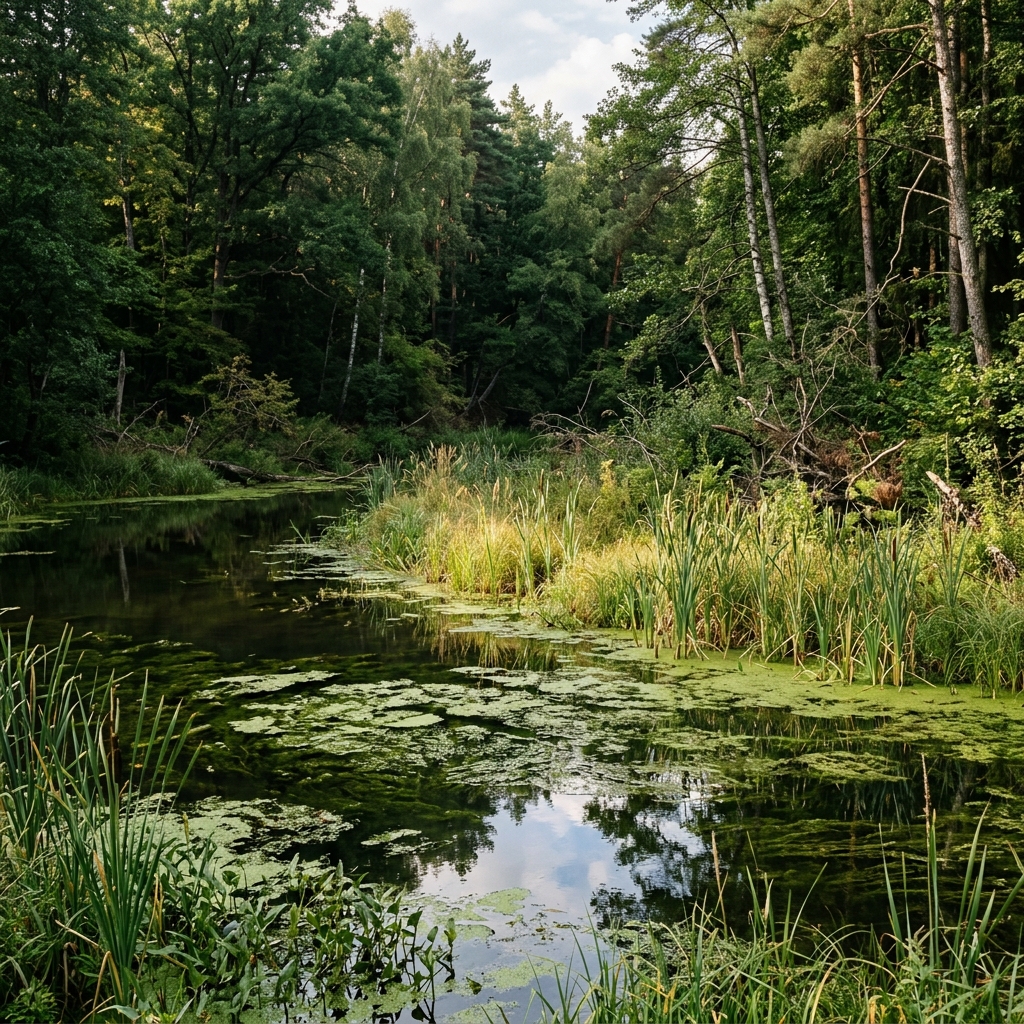
Natural Wetlands
*Anopheles* mosquitoes seek clean, sunlight-exposed pools with floating algae. Flooded fields and marsh margins are prime targets.
Types of Mosquitoes FAQs
Commonly researched questions regarding mosquito species, genera, and biting habits.
How many types of mosquitoes are there?↓
Entomologists have cataloged over 3,500 species of mosquitoes worldwide. These are classified into 41 distinct genera within the family Culicidae. Although there are thousands of species, only a small fraction are medically important vectors that seek out and feed on humans.
What are the main types of mosquitoes?↓
The three primary mosquito genera responsible for most human bites and disease transmission are Aedes, Anopheles, and Culex. Each genus exhibits distinct physical characteristics, host choices, and breeding habits.
Are there different types of mosquitoes around the world?↓
Yes. Different types of mosquitoes occupy distinct geographical regions and climate zones. For example, Aedes aegypti thrives in warm tropical climates, whereas invasive species like the Asian tiger mosquito (Aedes albopictus) have adapted to survive in temperate zones.
What types of mosquitoes bite humans?↓
Only female mosquitoes bite humans. They possess specialized piercing mouthparts to obtain blood meals, extracting essential proteins and iron required to mature their eggs. Male mosquitoes feed entirely on plant nectar and do not bite.
Which mosquito species spread diseases?↓
Medically significant species include Aedes aegypti (vector for dengue and zika), Anopheles stephensi and Anopheles gambiae (vectors for malaria), and Culex pipiens (which transmits West Nile virus).
How can you identify different types of mosquitoes?↓
Identification relies on morphological traits and biting postures. Aedes possess black-and-white striped bodies, Anopheles rest at a distinct 45-degree angle with their heads pointed downward, and Culex hold their bodies parallel to surfaces.
Where are different mosquito species found?↓
Nesting habits depend on genus. Aedes breed in clean, artificial standing water in residential yards. Anopheles prefer stagnant swamps, marshes, and vegetated ground pools, whereas Culex favor nutrient-rich organic waste pools, sewers, and drains.