The world's mosquito
intelligence database.
Building the most comprehensive open platform for mosquito taxonomy, disease vectors, localized risk mapping, and scientifically backed control protocols.
Explore our databases.
Access high-fidelity data layers designed for researchers, public health officers, and the general public.
Species Database
Detailed profiles of genus classifications including *Aedes*, *Anopheles*, and *Culex*. Filter by coloration, wing patterns, and nesting biology.
Browse SpeciesDisease Database
Comprehensive resources on mosquito-borne viruses and parasites. Review clinical symptoms, vector associations, risks, and travel guidelines.
Analyze DiseasesLocation Finder
Drill down into local risk indicators. Review peak seasonal months, historical outbreak statistics, and county-level spraying updates.
Search LocationsIdentify vectors at every lifecycle stage.
Accurate vector control starts with correct identification. Learn how to distinguish mosquito eggs, larvae, and adults, and recognize primary breeding grounds.
Egg ID
Identify egg rafts, individual eggs, and soil laying characteristics of Aedes, Anopheles, and Culex.
View Guide →Larvae ID
Spot siphon lengths, respiratory tubes, and hanging angles in standing water to pinpoint species.
View Guide →Breeding Sites
Map and identify key containers, soil areas, and stagnant pools that serve as nesting grounds.
View Guide →Featured species profiles.
Aedes aegypti (Yellow Fever Mosquito)
Aedes albopictus (Asian Tiger Mosquito)
Frequently asked questions.
Can you be allergic to mosquito bites?
Yes. A severe localized allergic reaction to mosquito saliva proteins is known as Skeeter Syndrome. It manifests as extreme swelling, heat, blisters, and redness. While painful, it is distinct from systemic anaphylaxis and is managed with oral antihistamines.
What do mosquito bites look like?
A standard bite appears as a raised, puffy, round skin bump that is red or pale pink. Over a day or two, it hardens into a small, firm, reddish-brown bump, occasionally with a tiny central dot.
How long do mosquito bites last?
For most individuals, a standard mosquito bite peaks in swelling and itchiness within 24 to 48 hours. The localized irritation typically resolves completely within 3 to 7 days, though scratching can prolong recovery.
Can mosquito bites become infected?
Yes. Scratching breaks the skin barrier, allowing bacteria (like Staphylococcus or Streptococcus) from your hands to enter. Signs of secondary bacterial infection include localized heat, red streaks, increased swelling, and pus oozing from the bite.
How can mosquito bites be prevented?
Prevent bites by using EPA-registered insect repellents containing DEET, Picaridin, or Oil of Lemon Eucalyptus (OLE). Wear loose, light-colored long sleeves and pants, and install mesh screens on windows and doors.
Can you bite a mosquito back?
No, biting a mosquito back is physically impossible and offers no medical or practical benefit. Protection against mosquitoes relies entirely on prevention, such as wearing protective clothing, applying EPA-registered repellents (containing DEET or Picaridin), and eliminating standing water around your home to disrupt the larval lifecycle.
Do mosquitoes prefer certain blood types?
Multiple scientific studies suggest that mosquitoes are more attracted to individuals with Type O blood than Type A or B. However, other factors like carbon dioxide output, body temperature, sweat chemicals, and skin microbiota play a larger role in host attraction.
How many mosquito bites is dangerous?
There is no single universal number of mosquito bites that is considered dangerous, as the health risk depends entirely on individual context. For most people, receiving multiple bites causes only localized itching and swelling. However, danger arises from systemic factors: severe allergic reactions (such as anaphylaxis or extreme Skeeter Syndrome), secondary bacterial infections from scratching, exposure to vector-borne pathogens (like malaria or dengue), or the age and health status of the individual. Infants, the elderly, and immunocompromised individuals are at a higher risk of complications from mosquito-borne illnesses.
Which mosquito species spread diseases?
Medically significant vector species include Aedes aegypti (dengue, zika, chikungunya), Anopheles gambiae and Anopheles stephensi (malaria), and Culex pipiens (West Nile virus).
Can dogs get mosquito bites?
Yes, dogs can be bitten by mosquitoes, typically on thin-furred areas like the ears, nose, and abdomen. Most bites cause minor skin irritation. However, mosquitoes are vectors for Dirofilaria immitis (heartworm) larvae. If transmitted, these parasites migrate to the heart and pulmonary arteries, causing life-threatening heartworm disease. Standard veterinary-prescribed preventatives are recommended to protect pets from transmission.
Can you pop a mosquito by flexing your muscles?
No, you cannot pop a mosquito by flexing your muscles. This is a common myth. The idea that tensing your muscles traps the mosquito's mouthparts and forces blood into it until it explodes is scientifically false. Mosquitoes control their own blood intake via active suction and will simply fly away when they are full or disturbed. Human capillary pressure is far too low to force blood into the insect's body.
How many types of mosquitoes are in Florida?
Florida is home to more than 80 different species of mosquitoes, making it one of the most biodiverse regions in the United States for the family Culicidae. Of these species, approximately 13 are known to transmit pathogens that can cause disease in humans. Primary vectors of concern include Aedes aegypti (which transmits Dengue and Zika) and Culex quinquefasciatus (the primary vector for West Nile Virus).
How do you get rid of mosquito bites?
You cannot make a mosquito bite disappear instantly, but you can speed up healing and stop the itching by washing the bite with soap and water, applying a cold compress or ice pack for 10 minutes to reduce inflammation, and using an over-the-counter 1% hydrocortisone cream or calamine lotion. Taking oral antihistamines can also soothe severe body itching. Avoid scratching, as it causes skin tears that introduce bacteria, increasing the risk of infection and scarring.
Are there different types of mosquitoes around the world?
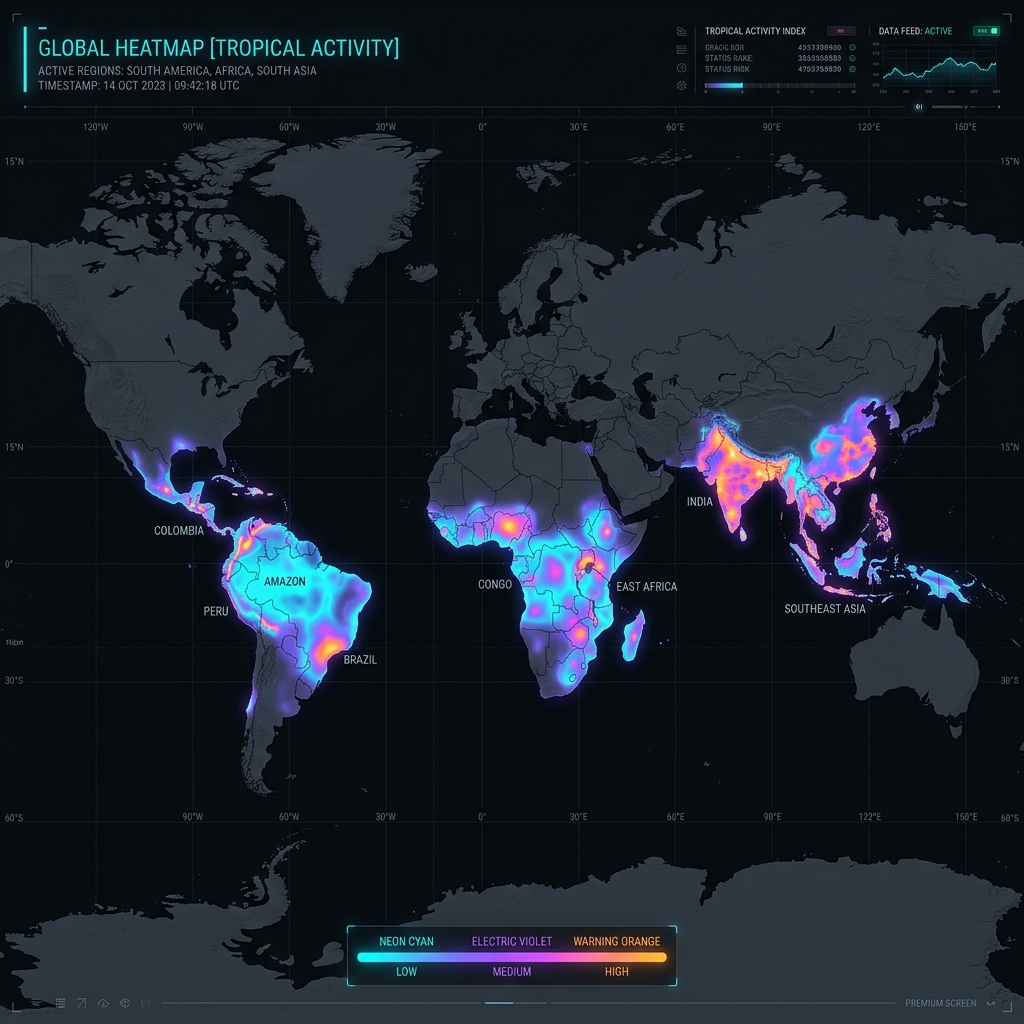
Yes, mosquito species occupy distinct geographical zones. For instance, Aedes aegypti thrives in tropical and subtropical regions, whereas the invasive Asian tiger mosquito (Aedes albopictus) has successfully adapted to temperate climates.
Where are different mosquito species found?
Aedes breed in artificial containers (flower pots, tires) in residential yards. Anopheles favor clean, stagnant swamps, marshes, and vegetated pools. Culex prefer highly organic standing water, such as drains and septic sewers.
How can you identify different types of mosquitoes?
Identification relies on physical markers and resting postures. Aedes species have black-and-white striped legs and bodies; Anopheles rest at a 45-degree angle with their abdomen pointing up; Culex hold their bodies parallel to surfaces.
How many types of mosquitoes are there in India?
Entomological surveys have cataloged approximately 400+ distinct species of mosquitoes in India within the family Culicidae. While the vast majority do not interact with humans, a subset of about 10–12 species serves as primary disease vectors of major public health significance. Chief among these are Anopheles stephensi (well-adapted to urban water tanks), Aedes aegypti (breeding in clean household containers), and Anopheles culicifacies (the primary rural malaria vector).
What are the main types of mosquitoes?
The three primary mosquito genera responsible for the majority of human bites and disease transmission are Aedes, Anopheles, and Culex. Each genus exhibits distinct physical characteristics, host choices, and breeding preferences.
How long does a mosquito live?
A mosquito's lifespan varies significantly by sex, species, temperature, humidity, and environmental conditions. Male mosquitoes typically live for only 7 to 10 days, feeding strictly on plant nectar. Female mosquitoes live longer, surviving 2 to 4 weeks in nature to produce eggs, while some species that overwinter can live for several months.
Do any plants repel mosquitoes?
No living plants have been scientifically proven to reliably prevent mosquito bites simply by growing in a garden. Although some plants contain volatile oils with repellent properties (such as citronella or lavender), they must be crushed or distilled to release these oils in high enough concentrations to act as a barrier. For reliable protection, use EPA-registered repellents or botanical extracts like Oil of Lemon Eucalyptus (OLE).
How many types of mosquitoes are there?
Entomologists have cataloged over 3,500 species of mosquitoes worldwide, grouped into 41 distinct genera within the family Culicidae. While there are thousands of species, only a small fraction are medically important vectors that seek out and feed on humans.
How can you stop mosquito bites from itching?
To stop the itch, wash the area immediately with soap and water to clear residual saliva. Apply a cold compress or ice pack for 10 minutes to numb local nerve pathways, and avoid scratching to prevent secondary infection.
What types of mosquitoes bite humans?
Only female mosquitoes bite humans. They require blood meals to obtain essential proteins and iron to develop their eggs. Male mosquitoes lack piercing mouthparts and feed exclusively on plant nectar.
What can you put on a mosquito bite?
Applying over-the-counter 1% hydrocortisone cream or calamine lotion is clinically proven to reduce swelling and itching. Alternatively, a paste made of baking soda and water can help soothe minor localized skin irritation.
When should you worry about a mosquito bite?
Seek medical attention immediately if you develop systemic symptoms like fever, severe headache, joint pain, confusion, or a body rash within two weeks of a bite. Watch for signs of local infection such as spreading red streaks, worsening warmth, or oozing pus.
Why do mosquito bites itch?
When a female mosquito bites, she injects saliva containing anticoagulants and proteins. Your immune system releases histamine to combat these foreign salivary proteins, triggering localized blood vessel dilation, inflammation, and the sensation of itching.
Have a different question? Visit our full FAQ Portal or Contact support.
Comprehensive Mosquito Information Hub
Welcome to MosquitoInfo, the definitive open-access directory providing verified, scientific mosquito information for researchers, public health workers, and travelers. By understanding the biology, vectors, and behaviors of these organisms, we can implement more robust protection protocols and localized vector suppression strategies.
Global Species Diversity: Types of Mosquitoes
When exploring what types of mosquitoes are there, it is natural to ask: how many types of mosquitoes are there? Structurally, are there different types of mosquitoes that present varying levels of clinical risk? The answer is yes. Globally, researchers cataloging vector distribution ask how many types of mosquitoes are there in the world; modern entomological taxonomy identifies more than 3,500 distinct species.
To clarify what are the different types of mosquitoes that act as primary vectors for human pathogens, we group them into specific genera. If you are wondering what types of mosquitoes bite, only female mosquitoes of specific species possess the specialized mouthparts needed to take blood meals, which provide the essential proteins required for egg development. Male mosquitoes, conversely, do not bite and feed exclusively on plant sugars and flower nectar.
Understanding Mosquito Bites, Irritation, and Treatment
Most people are familiar with the red, itchy swelling associated with mosquito bites. But why does a mosquito bite cause such a localized reaction, and why do mosquito bites itch so intensely? When a female mosquito pierces the skin to feed, she injects saliva containing specialized anticoagulant enzymes. The host's immune system recognizes these foreign proteins and releases histamines, causing localized blood vessels to dilate and trigger a localized inflammatory response.
So, what do mosquito bites look like? They typically appear as puffy, raised, white or red bumps that manifest minutes after the bite occurs. For individuals dealing with multiple bites, learning how to stop mosquito bites from itching and how to treat mosquito bites is important. If you want to know what to put on mosquito bites or what helps with mosquito bites, applying hydrocortisone cream, calamine lotion, or an over-the-counter antihistamine can significantly reduce inflammation.
Some individuals may ask: can you be allergic to mosquito bites? Yes, a severe allergic reaction known as Skeeter Syndrome can cause large-scale swelling, warmth, and intense redness. Under normal conditions, how long do mosquito bites last? The swelling and itchiness usually peak within 48 hours and gradually fade over 3 to 7 days. Knowing when to worry about a mosquito bite is critical: if you develop systemic symptoms such as fever, severe joint pain, confusion, or a body rash, seek professional medical care immediately. For common, mild cases, washing the area with soap and cool water is the first step in how to get rid of mosquito bites.
Lifespan, Mosquito Larvae, and Vector Control
A common question in vector biology is: how long does a mosquito live? The lifespan varies significantly. Male mosquitoes typically live for only 7 to 10 days, while adult female mosquitoes can live between 2 weeks to several months depending on temperature, humidity, and predator density.
To achieve effective mosquito control, public health programs target the aquatic stages of the lifecycle. Eliminating standing water in containers, gutters, and ponds prevents the development of mosquito larvae (often called "wrigglers") before they hatch into biting adults. Personal protection is equally crucial; utilizing an EPA-registered mosquito repellent containing DEET, Picaridin, or IR3535 is recommended for outdoor activities. If you prefer botanical options, natural mosquito repellent products containing Oil of Lemon Eucalyptus (OLE) provide chemically comparable, long-lasting protection.
Primary Disease Vectors & Essential Facts
For travel health planners, accessing precise vector species details is key to mitigation:
- Aedes aegypti mosquito information: This species is the primary vector for transmission of Dengue, Yellow Fever, Chikungunya, and Zika viruses, breeding in clean, artificial water containers.
- Dengue mosquito information: Surges in dengue virus transmission are highly correlated with Aedes populations, influenced by rising global temperatures and monsoon rainfall patterns.
- Asian tiger mosquito information: The species Aedes albopictus is highly invasive, aggressive during daytime, and easily identified by its distinct black-and-white striped markings.
- Anopheles mosquito information: Famous for transmitting malaria parasites, Anopheles mosquitoes bite primarily at night and breed in natural marshes, swamps, and rice paddies.
Core Mosquito Information Facts
To summarize, remember these essential mosquito information facts:
- Mosquitoes track hosts using carbon dioxide emissions, sweat chemicals, lactic acid, and skin temperature.
- Eliminating stagnant water pools is the single most effective way to disrupt local breeding cycles.
- Only females bite; males are non-vector pollinators that consume only nectar and plant sugars.